
APPLICATION OF IDDHIPĀDA IV FOR ENHANCING QUALITY OF LIFE AND HAPPINESS IN THEACHERS’ WORK
Keywords:
Iddhipāda IV, Quality of Life for Teachers, Work Happiness, Buddhist IntegrationAbstract
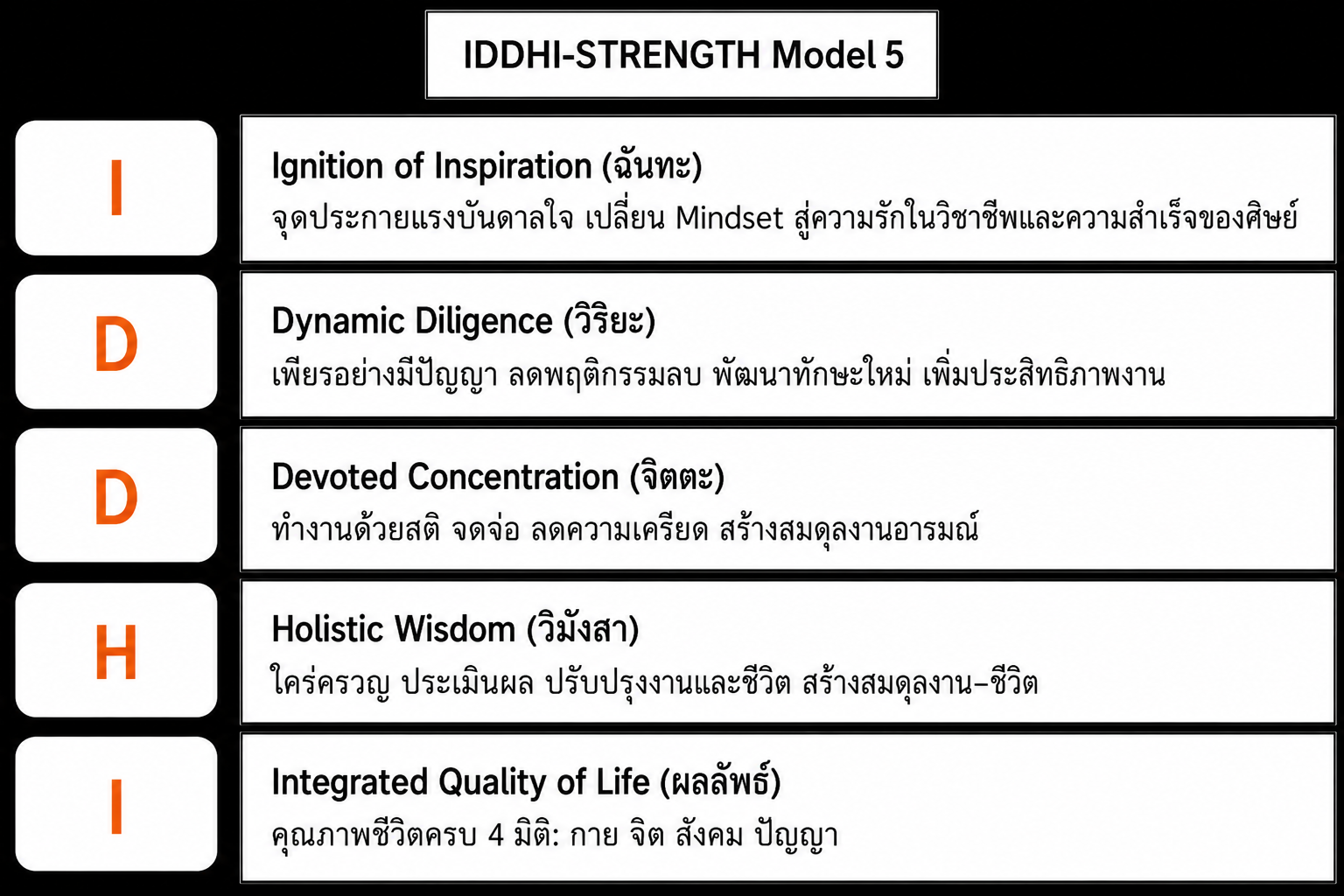
This academic article aims to integrally analyze and propose guidelines for applying the Iddhipāda IV (the Four Paths to Success) to enhance the quality of life and work happiness within the teaching profession. The study is based on an extensive review of the Tipiṭaka, the Visuddhimagga, and academic literature concerning quality of life and organizational psychology. The findings reveal that quality of life and happiness in the teaching profession do not depend solely on material factors, but rather on a state of equilibrium between external security and internal mental peace. According to the Visuddhimagga, the Iddhipāda IV functions as Adhipati-Dhamma (dominant factors) or highly efficient mental management tools, consisting of: Chanda (Aspiration): cultivating wholesome desire to transform professional burdens into a genuine love for the vocation; Viriya (Effort) applying wisdom-based persistence to overcome socio-economic crises with dignity; Citta (Thoughtfulness) fostering mindfulness and focus on duties to reduce accumulated stress; and Vīmaṃsā (Reasoning) utilizing analytical wisdom to create work innovations and achieve a healthy work-life balance. The application of these principles shifts the teacher’s status from passive compliance to professional awakening, resulting in sustainable pride and well-being. This article suggests that relevant agencies should integrate Buddhist principles into personnel development policies to elevate teachers from being mere "hired instructors" to "creators of quality lives" amidst the 21st-century global shifts. Furthermore, the IDDHI-STRENGTH Model, a five-step process for a happy and successful teaching life, is recommended as a practical framework for enhancing teachers' quality of life and happiness at work.
References
กระทรวงศึกษาธิการ. (2569). แนวทางการจัดการเรียนรู้และนวัตกรรมการเรียนรู้เชิงรุกสำหรับครูยุคใหม่. กรุงเทพมหานคร: โรงพิมพ์คุรุสภาลาดพร้าว.
กระทรวงศึกษาธิการ. (2569). พระราชบัญญัติการศึกษาแห่งชาติ พ.ศ. 2542 และที่แก้ไขเพิ่มเติม (ฉบับที่ 2) พ.ศ. 2545. สืบค้นจาก https://www.onec.go.th/th.php/page/category/CAT0000019
นิศารัตน์ ศิลปเดช. (2540). คุณภาพชีวิตและความพึงพอใจในงาน. กรุงเทพมหานคร: สำนักพิมพ์มหาวิทยาลัยเกษตรศาสตร์.
พระคันธสาราภิวงส์. (2550). โพธิปักขิยธรรม. กรุงเทพมหานคร: ไทยรายวันการพิมพ์.
พระพุทธโฆสเถระ. (2554). คัมภีร์วิสุทธิมรรค. พิมพ์ครั้งที่ 10. (สมเด็จพระพุฒาจารย์ อาจ อาสภมหาเถร แปล). กรุงเทพมหานคร: บริษัท ธนาเพรส จำกัด.
พระพรหมคุณาภรณ์ (ป. อ. ปยุตฺโต). (2559). พจนานุกรมพุทธศาสตร์ ฉบับประมวลธรรม. กรุงเทพมหานคร: โรงพิมพ์มหาจุฬาลงกรณราชวิทยาลัย.
มหาจุฬาลงกรณราชวิทยาลัย. พระไตรปิฎกภาษาไทย ฉบับมหาจุฬาลงกรณราชวิทยาลัย. กรุงเทพมหานคร : โรงพิมพ์จุฬาลงกรณราชวิทยาลัย, 2539.
สร้อยตระกูล อรรถมานะ. (2542). พฤติกรรมองค์การ. พิมพ์ครั้งที่ 2. กรุงเทพมหานคร: สำนักพิมพ์มหาวิทยาลัยธรรมศาสตร์.
ศิริ ฮามสุโพธิ์. (2543). ประชากรกับการพัฒนาคุณภาพชีวิต. กรุงเทพมหานคร: โอ. เอส. พริ้นติ้ง เฮ้าส์.
อำนาจ สุนทรธรรม. (2553). คุณภาพชีวิตของครูกับการพัฒนาคุณภาพการศึกษาในยุคโลกาภิวัตน์. สำนักพิมพ์จุฬาลงกรณ์มหาวิทยาลัย.
The WOQOL Group. (1995). The World Health Organization Quality of Life assessment (WHOQOL): Position paper from the World Health Organization. Social Science & Medicine, 41(10), 1403–1409.
UNESCO. (1993). Quality of life: An educational perspective. Paris: UNESCO Publishing.
Downloads
Published
How to Cite
Issue
Section
License
Copyright (c) 2026 Journal of Contemporary Buddhist Society = JCBS

This work is licensed under a Creative Commons Attribution-NonCommercial-NoDerivatives 4.0 International License.



