A Systematic Approach to Basic Phonics Instruction for Grade 1 Students: Developing Early Reading Skills
Article Sidebar
Main Article Content
Abstract
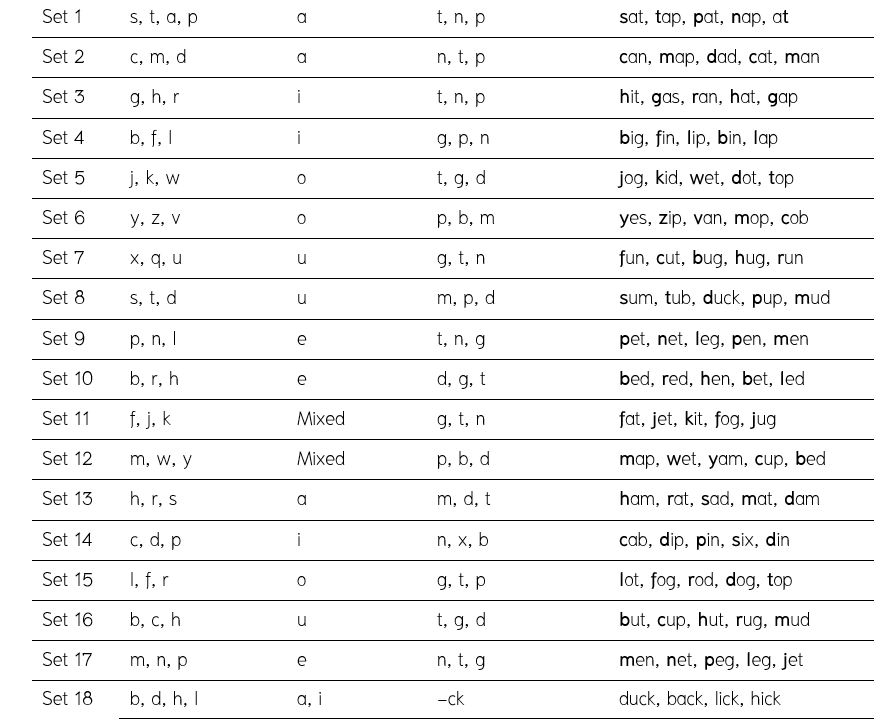
This academic article aims to present a systematic approach to basic Phonics instruction for Primary 1 students to build a strong foundation in English reading and spelling. As phonics skills are the most critical predictor of early reading success, the proposed approach emphasizes Synthetic Phonics, a method focusing on sounding out individual phonemes and blending them together. This is integrated with the use of Multisensory Activities and Active Learning. Incorporating games, songs, and tangible media effectively helps learners link sounds and letters, which leads to efficient decoding and accurate word reading. This approach not only improves phonetic reading ability but also fosters long-term fluency and reading comprehension.
Downloads
Article Details

This work is licensed under a Creative Commons Attribution-NonCommercial-NoDerivatives 4.0 International License.


References
Castles, A., Rastle, K., & Nation, K. (2018). Ending the Reading Wars: Reading Acquisition from Novice to Expert. Psychological Science in the Public Interest, 19(1), 5–51. https://doi.org/10.1177/1529100618772271
Goswami, U. (2006). Phonological Awareness and Literacy. In W. Damon, & R. M. Lerner (Eds.), Handbook of Child Psychology (6th ed.). Wiley.
Graddol, D. (2006). English Next. British Council.
Johnston, R. S., & Watson, J. E. (2005). The Effects of Synthetic Phonics Teaching on Reading and Spelling Attainment: A Seven Year Longitudinal Study. Scottish Executive Education Department. https://dera.ioe.ac.uk/id/eprint/14793/1/0023582.pdf
National Reading Panel. (2000). Teaching Children to Read: An Evidence-Based Assessment of the Scientific Research Literature on Reading and Its Implications for Reading Instruction. National Institute of Child Health and Human Development. https://www.nichd.nih.gov/publications/pubs/nrp/smallbook
Office of the Education Council. (2019). Education in Thailand 2018. Ministry of Education. https://backoffice.onec.go.th/uploads/Book/1676-file.pdf
Pairor, S. (2022). The Use of Phonological Awareness Instruction in Improving English Word Reading Ability of Thai Primary Students. DSpace at Mahasarakham University. [Master’s thesis, Mahasarakham University]. http://202.28.34.124/dspace/handle/123456789/1710
Piaget, J. (1970). Science of Education and the Psychology of the Child. Orion Press.
Torgerson, C. J., Brooks, G., & Hall, J. (2006). A Systematic Review of the Research Literature on the Use of Phonics in the Teaching of Reading and Spelling. Department for Education and Skills.
